
1099 Form Taxes: Flint Water Settlement Guide for 2024
Key Takeaways
- Expect a 1099 form if you received settlement payments of $600 or more related to the Flint water crisis. - Report settlement income on your 2024 tax return, due April 15, 2025 (or October 15, 2025, with extension). - Settlement payments may be taxable, but certain expenses can be deducted to offset the tax liability. - Consult a tax professional for personalized advice regarding your Flint water settlement and 1099 form taxes.
1099 Form Taxes: Understanding Your Flint Water Settlement in 2024
For those impacted by the Flint water crisis, receiving a settlement check may seem like a step toward recovery, but understanding the tax implications is crucial. Did you know that settlement payments exceeding $600 are generally reported to the IRS on a 1099 form, potentially creating a tax liability? Let's break down how the 1099 form taxes work in the context of the Flint water settlement and what you need to do to file your taxes correctly for the 2024 tax year.
Understanding the 1099 Form
The 1099 form is an information return used to report various types of income you receive that aren't wages, salary, or tips. Think of it as a heads-up to the IRS that you received money from a specific source. Common types of 1099 forms include:
- Form 1099-NEC (Nonemployee Compensation): Used to report payments made to independent contractors.
- Form 1099-MISC (Miscellaneous Income): Used to report other types of income, such as rents, royalties, and prizes.
- Form 1099-G (Government Payments): Used to report payments from federal, state, or local governments, including unemployment compensation, state or local tax refunds, and agricultural payments.
For Flint water settlement recipients, the specific type of 1099 form you receive will depend on the nature of the payment. In my experience advising clients, most settlement payments are reported on Form 1099-MISC, box 3 (Other Income). Make sure to verify the accuracy of the name, address, and Taxpayer Identification Number (TIN) shown on the form.
Why Did You Receive a 1099 for the Flint Water Settlement?
The entity responsible for distributing the Flint water settlement is required to report payments of $600 or more to the IRS and to you, the recipient. This reporting ensures that all income is accounted for and taxed appropriately. The $600 threshold triggers the 1099 reporting requirement, per IRS regulations.
Expert Insight: Failing to report income shown on a 1099 form can lead to penalties and interest from the IRS. It's always better to be proactive and report all income, even if you're unsure of its taxability.
Tax Implications of the Flint Water Settlement
Whether your Flint water settlement is taxable depends on the nature of the compensation. Here's a breakdown:
- Compensation for Physical Injury or Sickness: Generally, payments received for physical injury or sickness are excluded from gross income under IRC §104(a)(2). This exclusion applies to payments for medical expenses, pain, and suffering directly related to the physical injury or sickness.
- Compensation for Emotional Distress: If the emotional distress originated from a physical injury or sickness, the payments are also generally excluded from gross income. However, if the emotional distress is not related to a physical injury or sickness, the payments may be taxable.
- Compensation for Property Damage: Payments received to compensate for damage to your property are generally taxable. However, you may be able to offset the taxable income by the amount of your basis in the damaged property. If the settlement exceeds your basis, the excess is taxable gain.
- Punitive Damages: Punitive damages are always taxable, regardless of the nature of the underlying claim.
Common Scenarios and Taxability
To illustrate, let's consider a few common scenarios:
- Scenario 1: You receive $10,000 to compensate for lead poisoning that caused physical health problems. This payment is likely excludable from gross income.
- Scenario 2: You receive $5,000 to compensate for the emotional distress caused by the Flint water crisis, but you did not suffer any physical injuries. This payment is likely taxable.
- Scenario 3: You receive $2,000 to compensate for damage to your pipes caused by the contaminated water. This payment is taxable, but you can offset it by your basis in the damaged pipes.
What I've found works best is carefully documenting the nature of your claim and the basis for receiving the settlement funds. This documentation will be crucial when determining the taxability of the payments. I encourage you to consult a qualified professional for tax deductions refunds advice specific to your individual situation.
Is Your Business Fully Compliant?
Don't risk penalties! Get a FREE compliance audit checklist tailored to your business type and location.
🔒Your information is secure and will never be shared.
Reporting Your Settlement Income on Your Tax Return
You'll generally report the income on Schedule 1 (Form 1040), Additional Income and Adjustments to Income. The specific line will depend on the type of income being reported. If the income is taxable, you'll include it in your total income and calculate your tax liability accordingly.
Step-by-Step Guide to Reporting 1099 Income
Here's a step-by-step guide to reporting your settlement income:
- Gather all your tax documents, including your 1099 form(s) from the Flint water settlement and any other income statements (W-2s, etc.).
- Determine the taxability of your settlement income, based on the nature of the compensation. If you're unsure, consult a tax professional.
- Complete Schedule 1 (Form 1040), reporting any taxable settlement income on the appropriate line.
- File your tax return by the deadline, which is generally April 15th of the following year. For the 2024 tax year, the deadline is April 15, 2025.
- Keep copies of all your tax documents for your records.
What if You Didn't Receive a 1099 Form?
Even if you didn't receive a 1099 form, you're still required to report any taxable income you received. The $600 threshold is simply a reporting requirement for the payer; it doesn't relieve you of your obligation to report income. If you received income that should have been reported on a 1099 form, but you didn't receive one, you should still report the income on your tax return. The IRS can track income through various means, and neglecting to report it, even without a 1099, can trigger an audit.
Deductions and Expenses Related to the Settlement
Even if your settlement income is taxable, you may be able to deduct certain expenses to offset the tax liability. Common deductible expenses related to settlements include:
- Legal Fees: If you incurred legal fees to obtain the settlement, you may be able to deduct these fees as a business expense if the settlement is related to your business. If it's not business-related, the rules for deducting legal fees are more complex and often require itemizing.
- Medical Expenses: If your settlement was intended to cover medical expenses, you can include those expenses when calculating your itemized medical expense deduction on Schedule A (Form 1040), subject to the 7.5% AGI threshold.
- Property Repair Costs: If the settlement compensated you for property damage, you can deduct the cost of repairing the damage, subject to certain limitations.
Claiming Deductions: What You Need to Know
To claim deductions related to your settlement, you must be able to substantiate the expenses with adequate records, such as receipts, invoices, and canceled checks. Keep detailed records of all expenses related to the Flint water crisis, as these records can be invaluable when preparing your tax return. The 2024 tax filing deadline is rapidly approaching so make sure to have all records to hand.
Common Mistakes to Avoid When Filing 1099 Form Taxes
A common mistake I see business owners make is failing to accurately determine the taxability of settlement income. Another frequent error is neglecting to claim all eligible deductions. Here are some key mistakes to avoid:
- Assuming all settlement income is taxable: As discussed earlier, certain types of settlement income are excludable from gross income.
- Failing to report income: Even if you didn't receive a 1099 form, you're still required to report taxable income.
- Not keeping adequate records: You must be able to substantiate your deductions with adequate records.
- Missing the filing deadline: Filing your tax return late can result in penalties and interest.
- Not seeking professional advice: If you're unsure about any aspect of your 1099 form taxes, consult a tax professional.
Expert Insight on Avoiding Penalties
Pro Tip: The IRS offers various penalty relief options for taxpayers who can demonstrate reasonable cause for failing to file or pay on time. If you experience circumstances beyond your control, such as a serious illness or natural disaster, explore these options. For example, the 2024 tax filing is expected to follow the same rules, so plan accordingly.
Navigating Estimated Taxes and the Flint Settlement
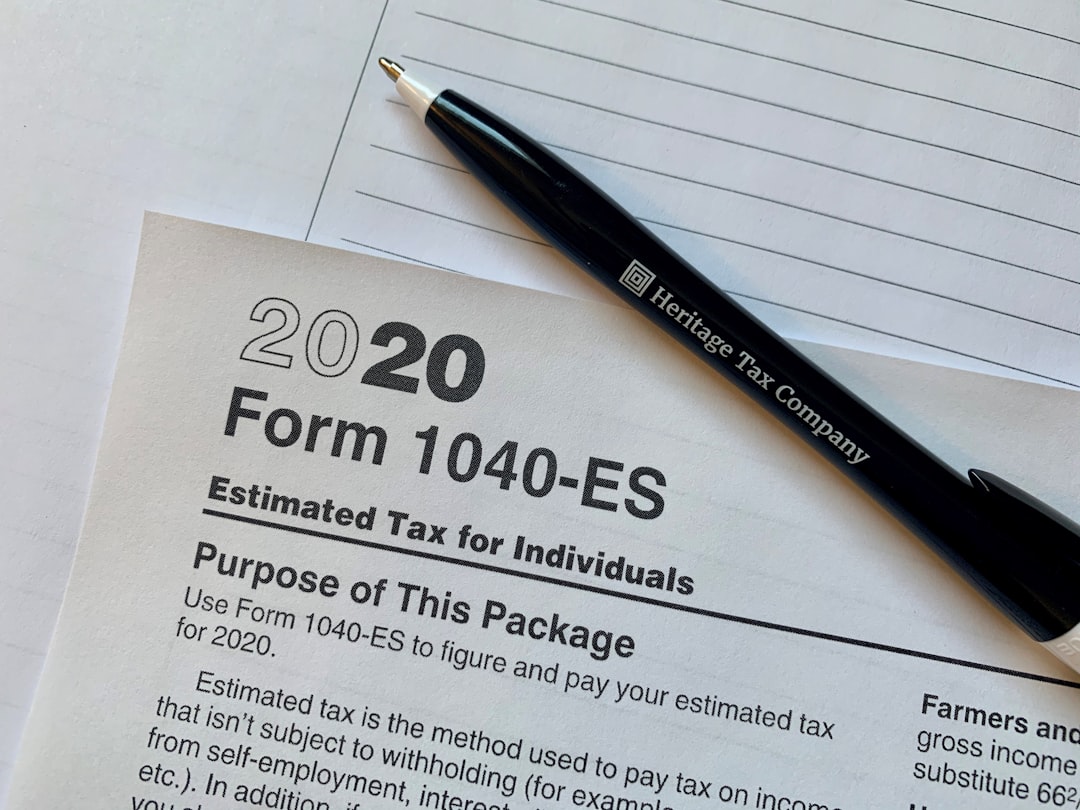
If a portion of your Flint water settlement is deemed taxable, it might impact your estimated tax obligations for the current and future tax years. Individuals who expect to owe at least $1,000 in taxes from sources other than wages (like settlement income) may be required to make estimated tax payments throughout the year. These payments are typically made quarterly using Form 1040-ES, Estimated Tax for Individuals.
Failing to pay enough estimated tax can result in penalties. A CPA can help you calculate your estimated tax liability accurately, considering your settlement income and other relevant factors.
How Tax Software Can Help
Tax software like TurboTax, H&R Block, and TaxAct can simplify the process of reporting 1099 income and claiming deductions. These programs guide you through the tax return preparation process, ask relevant questions, and automatically calculate your tax liability. While I recommend consulting a professional, if you are comfortable doing it yourself, the latest versions incorporate the recent tax law changes, including the increased standard deduction (which is $13,850 for single filers in 2023, and likely to be a similar amount for 2024). Software can also help identify potential tax deductions refunds you might have missed.
Comparison of Tax Software for 1099 Reporting
| Feature | TurboTax Self-Employed | H&R Block Self-Employed | TaxAct Self-Employed | |------------------|-------------------------|--------------------------|-----------------------| | Price | $$ | $$ | $ | | 1099 Reporting | Yes | Yes | Yes | | Deduction Finder | Yes | Yes | Yes | | Audit Support | Yes | Yes | No | | User Interface | User-friendly | Straightforward | Basic |
The Importance of Professional Tax Advice
Given the complexities of 1099 form taxes related to settlements, it's often beneficial to seek professional tax advice. A qualified tax advisor can help you:
- Determine the taxability of your settlement income.
- Identify all eligible deductions.
- Prepare and file your tax return accurately.
- Represent you in case of an audit.
Consider consulting a CPA or Enrolled Agent who specializes in tax planning for individuals who have received settlements. They can provide personalized guidance based on your specific circumstances. This may involve small business bookkeeping if the settlement relates to business damages.
State Tax Implications for Flint Water Settlement
While the federal tax implications are significant, don't overlook potential state tax consequences. Tax laws vary from state to state. In Michigan, where the Flint water crisis occurred, settlement income is generally subject to state income tax unless specifically excluded under state law. Some states, like Texas and Florida with no state income tax, do not have a state income tax so there would be no state-level tax implications.
It's crucial to consult with a tax professional familiar with Michigan's tax laws to understand how your Flint water settlement will be treated at the state level.
FAQs
What is a 1099 form, and why did I receive one?
A 1099 form is an information return used to report various types of income you receive that aren't wages, salary, or tips. You likely received one because you were paid $600 or more in settlement funds related to the Flint water crisis. The 1099 form taxes will need to be addressed in your tax return.
Is my Flint water settlement taxable?
It depends on the nature of the compensation. Compensation for physical injury or sickness is generally excluded from gross income, while compensation for emotional distress (not related to physical injury), property damage, and punitive damages are generally taxable. Ensure you have all records relating to this to have a smooth 2024 tax filing experience.
What if I didn't receive a 1099 form but received a settlement payment?
You're still required to report any taxable income you received, even if you didn't receive a 1099 form. The $600 threshold is simply a reporting requirement for the payer; it doesn't relieve you of your obligation to report income.
What deductions can I claim related to my Flint water settlement?
You may be able to deduct legal fees, medical expenses, and property repair costs, subject to certain limitations. Remember to keep records as irs data security is taken very seriously.
Where do I report my settlement income on my tax return?
You'll generally report the income on Schedule 1 (Form 1040), Additional Income and Adjustments to Income. The specific line will depend on the type of income being reported.
What is the deadline for filing my 2024 tax return?
The deadline for filing your 2024 tax return is generally April 15, 2025. However, you can request an extension to October 15, 2025, if you need more time.
How can I get help with my taxes?
You can consult a tax professional, use tax software, or contact the IRS for assistance. Free help is available through the IRS's Volunteer Income Tax Assistance (VITA) and Tax Counseling for the Elderly (TCE) programs.
Next Steps
Understanding the 1099 form taxes related to your Flint water settlement is essential for accurate tax filing. Here's what you should do:
- Review your 1099 form(s) carefully to ensure the information is accurate.
- Determine the taxability of your settlement income, based on the nature of the compensation.
- Gather all relevant records to support your deductions.
- Consider consulting a tax professional for personalized advice.
- File your tax return by the deadline to avoid penalties.
By taking these steps, you can ensure that you're complying with tax laws and minimizing your tax liability. Don't delay - start gathering the documents you need today.
quickbooks business loans can help to ease any financial burden during this process. Also, it's beneficial to maintain accurate small business bookkeeping to prepare for your tax return. Understanding the impact of the settlement on your quickbooks pro plus accounting can also be beneficial.
Disclaimer
This article is for educational purposes only and does not constitute professional legal, tax, or financial advice. The information is based on federal and state regulations which may change. We are not a licensed CPA firm or law office. Please consult a qualified professional for specific advice related to your situation.
Is Your Business Fully Compliant?
Don't risk penalties! Get a FREE compliance audit checklist tailored to your business type and location.
🔒Your information is secure and will never be shared.
Frequently Asked Questions
What is a 1099 form, and why did I receive one?
A 1099 form is an information return that reports various types of income, other than wages, salaries, and tips. You likely received one if you were paid $600 or more in settlement funds related to the Flint water crisis. The $600 threshold triggers the reporting requirement.
Is my Flint water settlement taxable?
It depends on the nature of the compensation. Compensation for physical injury or sickness is generally excluded from gross income, according to IRC §104(a)(2), while compensation for emotional distress (not related to physical injury), property damage, and punitive damages are generally taxable. Keep all documents regarding this.
What if I didn't receive a 1099 form but received a settlement payment?
You're still required to report any taxable income you received, even if you didn't receive a 1099 form. The $600 threshold is a reporting requirement for the payer; it doesn't relieve you of your obligation to report income. It's best to keep records of all income received.
What deductions can I claim related to my Flint water settlement?
You may be able to deduct legal fees, medical expenses, and property repair costs, subject to certain limitations. For example, medical expenses are deductible to the extent they exceed 7.5% of your adjusted gross income on Schedule A (Form 1040).
Where do I report my settlement income on my tax return?
You'll generally report the income on Schedule 1 (Form 1040), Additional Income and Adjustments to Income. The specific line will depend on the type of income being reported. You will need to obtain all forms before proceeding.
What is the deadline for filing my 2024 tax return?
The deadline for filing your 2024 tax return is generally April 15, 2025. However, you can request an extension to October 15, 2025, by filing Form 4868.
Can tax software help me with reporting my settlement income?
Yes, tax software such as TurboTax and H&R Block can assist you in reporting your settlement income and claiming applicable deductions. These programs typically guide you through the process and calculate your tax liability.
Disclaimer
This article is for educational purposes only and does not constitute professional legal, tax, or financial advice. The information provided is based on US federal and state regulations which may change over time. We are not a licensed CPA firm or law office. Please consult a qualified professional for specific advice related to your situation.
Content is researched and edited by humans with AI assistance. Focused on US accounting and bookkeeping.