
Medicare Tax Exemption: 65+ Rules in 2024
Key Takeaways
As a small business owner, you need to know this: * **No Age Exemption:** There's no age-based exemption from Medicare payroll tax. All wages are subject to the 1.45% Medicare tax, regardless of employee or employer age. * **Self-Employment:** If self-employed, you pay both the employer and employee portions (2.9%) of Medicare tax on your net earnings above $400. See IRS Publication 334. * **Incorrect W-2s:** Ensure your payroll software is correctly calculating and withholding Medicare tax. Mistakes can lead to penalties and require you to file corrected W-2/W-3 forms. * **Tax Planning:** Properly account for all payroll taxes, including Medicare, when estimating your quarterly tax payments to avoid IRS penalties. Use tools like QuickBooks or Gusto for accuracy.
Medicare Payroll Tax Exemption: Requirements and Eligibility for 65+ in 2024
As a CPA working with small businesses, I often encounter confusion surrounding the Medicare payroll tax and whether there's an exemption based on age. Let me clarify: there is no age-based exemption from Medicare payroll tax in the United States. You, as an employer, and your employees, regardless of age, are subject to this tax. Failing to withhold and remit Medicare taxes correctly can lead to penalties and interest from the IRS. I've seen penalties reach thousands of dollars for even small businesses, so accurate payroll processing is essential. Let's break down the requirements and eligibility.
Understanding Medicare Payroll Tax
The Medicare payroll tax is a component of the Federal Insurance Contributions Act (FICA) tax. FICA also includes Social Security tax. This tax funds the Medicare program, which provides health insurance for individuals 65 and older, and certain younger people with disabilities or chronic conditions. Knowing your US payroll tax responsibilities is critical.
- Tax Rate: The Medicare tax rate is 1.45% for both the employer and the employee. There is also an Additional Medicare Tax.
- Wage Base Limit: Unlike Social Security tax, there is no wage base limit for Medicare tax. All wages are subject to the 1.45% tax. This means that every dollar earned by an employee is subject to the Medicare tax.
- Additional Medicare Tax: A 0.9% Additional Medicare Tax applies to wages exceeding $200,000 for single filers, $250,000 for married filing jointly, and $125,000 for married filing separately. This is withheld from the employee's wages only; employers do not pay a matching share.
Who Pays Medicare Payroll Tax?
Virtually all employees and employers in the United States are subject to Medicare payroll tax. This includes:
- Employees: All employees who receive wages are subject to Medicare tax, regardless of age.
- Employers: All employers are required to withhold and remit Medicare tax on behalf of their employees, and they must also pay the employer's share of the tax.
- Self-Employed Individuals: Self-employed individuals pay both the employer and employee portions of the Medicare tax (2.9% total) on their net earnings from self-employment. This is calculated on Schedule SE (Form 1040), Self-Employment Tax. The $400 threshold applies, meaning you only pay self-employment tax if your net earnings are $400 or more. Be sure to calculate your IRS quarterly estimated tax payments correctly.
The Myth of Age-Based Exemption
I often hear from business owners who believe that employees over the age of 65 are exempt from Medicare tax. This is a common misconception. The fact that an individual is eligible for or receiving Medicare benefits does not exempt them from paying Medicare payroll tax on their wages. The obligation to pay Medicare tax is based on current employment, not on past or future eligibility for benefits.
"I've had clients who were surprised to learn they still needed to withhold Medicare tax from employees receiving Medicare benefits. It's crucial to remember that eligibility for Medicare is separate from the obligation to pay the tax."
Simplify Payroll for Your Growing Team
PF, ESI, TDS on salary — we handle it all. Get a FREE payroll compliance audit and ensure your team is properly set up.
🔒Your information is secure and will never be shared.
Employer Responsibilities
As an employer, you have several key responsibilities related to Medicare payroll tax:
- Withholding: You must accurately withhold Medicare tax from your employees' wages.
- Matching: You must pay the employer's share of the Medicare tax, which is equal to the amount withheld from employees' wages.
- Reporting: You must report the Medicare tax withheld and paid on Form 941, Employer's Quarterly Federal Tax Return, or Form 944, Employer's Annual Federal Tax Return. You will also report this information on Form W-2, Wage and Tax Statement, for each employee.
- Remittance: You must remit the Medicare tax to the IRS according to the applicable deposit schedule (monthly or semi-weekly), as outlined in IRS Publication 15 (Circular E), Employer's Tax Guide. I typically advise clients to deposit taxes more frequently than required to avoid accumulating a large liability.
Common Mistakes to Avoid
- Misclassifying Employees: Incorrectly classifying employees as independent contractors to avoid payroll taxes is a serious issue. The IRS has specific guidelines for determining worker classification. See IRS Publication 15-A, Employer's Supplemental Tax Guide.
- Incorrect Withholding: Failing to withhold the correct amount of Medicare tax from employees' wages. This can happen if you're not using accurate payroll software or if you're not keeping up with changes in tax laws. Tools like ADP and Gusto can help automate this process.
- Late Filing or Payment: Failing to file payroll tax returns or pay payroll taxes on time. Penalties for late filing and payment can be significant. Setting up reminders in your accounting software like QuickBooks or Xero can help you stay on track.
- Ignoring the Additional Medicare Tax: Overlooking the Additional Medicare Tax for high-income employees. Make sure your payroll system is configured to withhold this tax correctly.
Self-Employment and Medicare Tax
If you're self-employed, you're responsible for paying both the employer and employee portions of the Medicare tax. This is calculated on Schedule SE (Form 1040). Here's what you need to know:
- Calculating Self-Employment Tax: You'll calculate your self-employment tax based on your net earnings from self-employment. This is your gross income from your business minus your business expenses. You can use Schedule C (Form 1040), Profit or Loss From Business (Sole Proprietorship), to calculate your net profit or loss.
- Deductibility: You can deduct one-half of your self-employment tax from your gross income. This deduction is claimed on Form 1040, Schedule 1, line 15. This helps to offset the impact of self-employment tax on your overall tax liability.
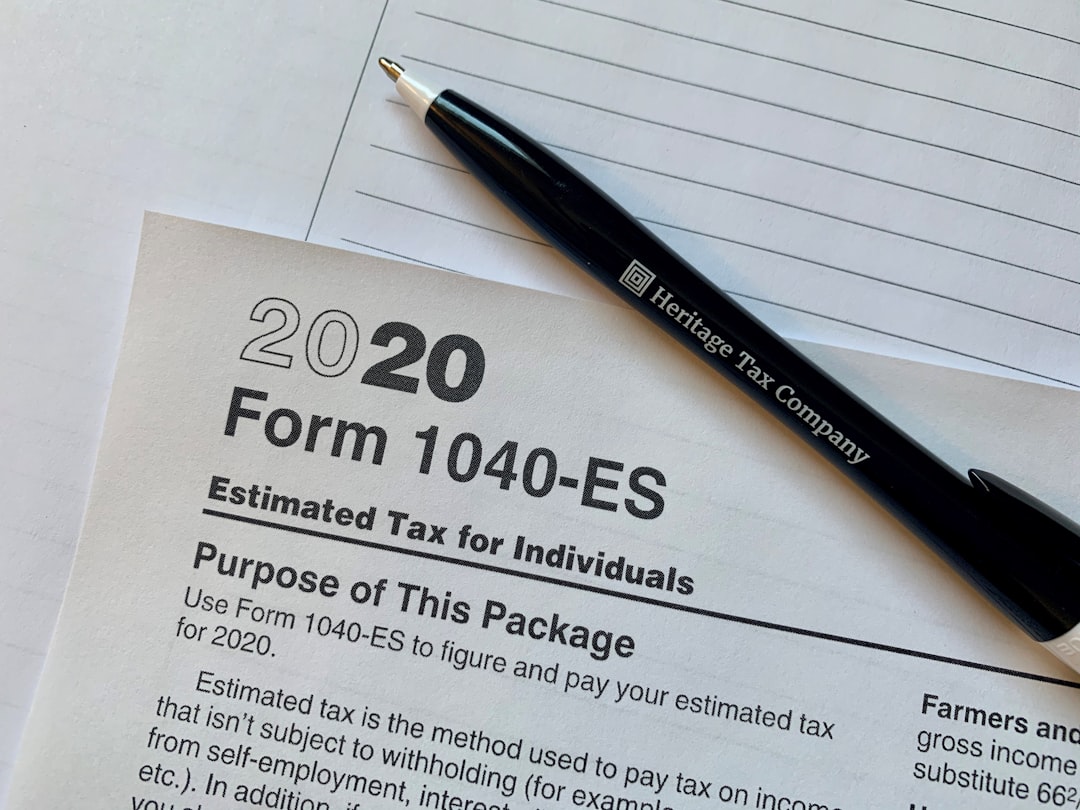
- Estimated Tax Payments: As a self-employed individual, you're generally required to make estimated tax payments throughout the year to cover your income tax and self-employment tax liabilities. Use Form 1040-ES, Estimated Tax for Individuals, to calculate and pay your estimated taxes. I recommend using the prior year's tax liability as a safe harbor to avoid penalties, as long as your income isn't significantly higher this year.
State Considerations
While the federal Medicare tax rules apply nationwide, it's important to be aware of state-specific rules that may affect your payroll obligations.
- State Income Tax Withholding: Most states have their own income tax withholding requirements. You'll need to withhold state income tax from your employees' wages in addition to federal taxes. States like Texas and Florida do not have state income tax. This simplifies payroll, but you still need to manage federal taxes correctly.
- State Unemployment Tax (SUTA): Employers are also generally required to pay state unemployment tax, which funds unemployment benefits for eligible workers. SUTA rates vary by state and are based on your experience rating.
- Other State Taxes: Some states may have other payroll-related taxes, such as disability insurance taxes or workforce training taxes. In California, for example, employers must withhold and remit State Disability Insurance (SDI) contributions from employees' wages. This is in addition to federal taxes and SUTA.
Tools and Resources for Managing Medicare Tax
Several tools and resources can help you manage your Medicare tax obligations:
- Payroll Software: Payroll software like QuickBooks Payroll, Xero Payroll, Gusto, and ADP can automate the process of calculating, withholding, and remitting payroll taxes. These platforms also generate the necessary tax forms, such as Form 941 and Form W-2. Be sure to keep your software up to date.
- Accounting Software: Accounting software like QuickBooks, Xero, and FreshBooks can help you track your income and expenses, which is essential for calculating your self-employment tax liability. Many accounting software packages integrate with payroll services.
- IRS Website: The IRS website provides a wealth of information on payroll taxes, including publications, forms, and FAQs. IRS Publication 15 (Circular E), Employer's Tax Guide, is a particularly useful resource.
- Tax Professionals: Consulting with a tax professional can help you ensure that you're complying with all applicable tax laws and regulations. I work with clients regularly to review their payroll processes and identify potential areas for improvement. If you need help with tax planning, do not hesitate to reach out.
Choosing the Right Payroll Solution
Selecting the right payroll solution is crucial for accurate tax compliance. Here's a comparison of popular options:
| Feature | QuickBooks Payroll | Xero Payroll | Gusto | ADP | | ------------------- | ------------------ | ------------ | ----------------- | ------------------ | | Pricing | Varies by plan | Varies by plan | Varies by plan | Varies by plan | | Tax Filing | Automated | Automated | Automated | Automated | | Direct Deposit | Yes | Yes | Yes | Yes | | Reporting | Comprehensive | Comprehensive| Comprehensive | Comprehensive | | Ease of Use | User-friendly | User-friendly| Very User-friendly| Can be complex | | Customer Support | Good | Good | Excellent | Varies by plan | | Integration with Accounting Software | Seamless with QuickBooks | Seamless with Xero | Integrates with many | Integrates with many|
Consider your business size, budget, and technical expertise when choosing a payroll solution. For very small businesses with simple payroll needs, a basic plan from QuickBooks or Xero might suffice. For larger businesses with more complex payroll requirements, Gusto or ADP may be a better fit.
Penalties for Non-Compliance
Failing to comply with Medicare payroll tax requirements can result in significant penalties. These penalties can include:
- Failure to File Penalty: A penalty of 5% of the unpaid taxes for each month or part of a month that the return is late, up to a maximum of 25%.
- Failure to Pay Penalty: A penalty of 0.5% of the unpaid taxes for each month or part of a month that the taxes remain unpaid, up to a maximum of 25%.
- Accuracy-Related Penalty: A penalty of 20% of the underpayment if you underpay your taxes due to negligence or disregard of the rules.
- Fraud Penalty: A penalty of 75% of the underpayment if you underpay your taxes due to fraud.
In addition to these penalties, you may also be subject to interest on any unpaid taxes. The interest rate is determined quarterly by the IRS and is based on the federal short-term rate plus 3 percentage points. The IRS also has data security standards you must uphold.
Tax Planning Strategies
Proper tax planning can help you minimize your Medicare tax liability and avoid penalties. Here are some strategies to consider:
- Accurate Recordkeeping: Maintain accurate and complete records of your income and expenses. This will make it easier to calculate your self-employment tax liability and file your tax returns on time. Good bookkeeping practices are essential.
- Maximize Deductions: Take advantage of all available business tax deductions to reduce your net earnings from self-employment. Common deductions include expenses for business supplies, travel, and home office. See my business tax deductions checklist for more ideas.
- Consider a Retirement Plan: Contributing to a retirement plan, such as a SEP IRA or a solo 401(k), can reduce your taxable income and lower your self-employment tax liability. Contributions to these plans are generally tax-deductible. Be sure to understand the Roth 401k 1099-R rules if that's your preference.
- Seek Professional Advice: Consult with a tax professional to develop a tax plan that is tailored to your specific circumstances. A tax professional can help you identify potential tax savings opportunities and ensure that you're complying with all applicable tax laws and regulations.
Conclusion
While the idea of a Medicare tax exemption for those 65 and older might sound appealing, it's simply not the case. Both employers and employees, regardless of age, are required to pay Medicare payroll tax. As a business owner, understanding your responsibilities and implementing accurate payroll practices is crucial for avoiding costly penalties and maintaining compliance with federal tax laws. Tools like QuickBooks, Xero, and Gusto can help streamline the process, but seeking professional advice from a tax expert is always a wise investment.
FAQs
Is there an age limit for paying Medicare tax?
No, there is no age limit for paying Medicare tax. All wages are subject to the 1.45% Medicare tax, regardless of the employee's age. Additionally, a 0.9% Additional Medicare Tax applies to wages exceeding $200,000 for single filers, $250,000 for married filing jointly, and $125,000 for married filing separately.
Do I have to pay Medicare tax if I'm already receiving Medicare benefits?
Yes, receiving Medicare benefits does not exempt you from paying Medicare tax on your current wages. The obligation to pay Medicare tax is based on current employment, not on past or future eligibility for benefits.
How do I calculate my self-employment tax?
You'll calculate your self-employment tax on Schedule SE (Form 1040) based on your net earnings from self-employment. This is your gross income from your business minus your business expenses. You'll pay both the employer and employee portions of the Medicare tax, totaling 2.9%.
What is the Additional Medicare Tax?
The Additional Medicare Tax is a 0.9% tax on wages exceeding $200,000 for single filers, $250,000 for married filing jointly, and $125,000 for married filing separately. This tax is withheld from the employee's wages only; employers do not pay a matching share.
What happens if I don't pay my payroll taxes on time?
You may be subject to penalties, including a failure-to-file penalty (5% of unpaid taxes per month, up to 25%) and a failure-to-pay penalty (0.5% of unpaid taxes per month, up to 25%). You may also be subject to interest on any unpaid taxes. I always advise clients to estimate high and pay early.
Can I deduct my health insurance premiums as a self-employed individual?
Yes, as a self-employed individual, you may be able to deduct the amount you paid in health insurance premiums for yourself, your spouse, and your dependents. This deduction is claimed on Form 1040, Schedule 1, line 16. This can help lower your overall tax liability. Remember the $600 threshold for 1099-NEC reporting for independent contractors.
What if I make a mistake on a W-2 form?
You need to correct the error by filing Form W-2c, Corrected Wage and Tax Statement, with the Social Security Administration (SSA). Also, file Form W-3c, Transmittal of Corrected Wage and Tax Statements. See my guide on how to correct W-2/W-3 forms.
Accounting Data Migration: Essential Guide
Roth 401k 1099-R: The Complete Guide for 2024
Tax Credits for Parents: Maximize Your Return [2024]
75+ Business Tax Deductions Checklist — US Small Business (2026)
Sales Tax Nexus Guide for E-Commerce — State Rules After Wayfair (2026)
US Payroll Tax Guide for Employers — FICA, FUTA, State Taxes (2026)
IRS Quarterly Estimated Tax Payments — Due Dates & Calculator (2026)
Bookkeeping Basics for US Small Businesses — Complete 2026 Guide
Correct W2/W3 Forms: 7-Step Guide for 2024
1099-K Form: Essential 2024 Guide for Online Sellers
QuickBooks Business Loans: Complete 2024 Funding Guide
Tax Deductions & Refunds: Essential Guide for 2024
Small Business Bookkeeping: Complete Guide for Austin, TX
QuickBooks Pro Plus: Complete 2024 Guide for Bookkeeping
IRS Data Security: Complete Protection Guide for 2024
2024 Tax Filing: Complete Guide for US Businesses
Disclaimer
This article is for educational purposes only and does not constitute professional legal, tax, or financial advice. The information is based on federal and state regulations which may change. Please consult a qualified CPA or tax advisor for specific advice.
Simplify Payroll for Your Growing Team
PF, ESI, TDS on salary — we handle it all. Get a FREE payroll compliance audit and ensure your team is properly set up.
🔒Your information is secure and will never be shared.
Tags
Frequently Asked Questions
Is there an age limit for paying Medicare tax?
No, there is no age limit for paying Medicare tax. All wages are subject to the 1.45% Medicare tax, regardless of the employee's age. Additionally, a 0.9% Additional Medicare Tax applies to wages exceeding $200,000 for single filers, $250,000 for married filing jointly, and $125,000 for married filing separately.
Do I have to pay Medicare tax if I'm already receiving Medicare benefits?
Yes, receiving Medicare benefits does not exempt you from paying Medicare tax on your current wages. The obligation to pay Medicare tax is based on current employment, not on past or future eligibility for benefits.
How do I calculate my self-employment tax?
You'll calculate your self-employment tax on Schedule SE (Form 1040) based on your net earnings from self-employment. This is your gross income from your business minus your business expenses. You'll pay both the employer and employee portions of the Medicare tax, totaling 2.9%.
What is the Additional Medicare Tax?
The Additional Medicare Tax is a 0.9% tax on wages exceeding $200,000 for single filers, $250,000 for married filing jointly, and $125,000 for married filing separately. This tax is withheld from the employee's wages only; employers do not pay a matching share.
What happens if I don't pay my payroll taxes on time?
You may be subject to penalties, including a failure-to-file penalty (5% of unpaid taxes per month, up to 25%) and a failure-to-pay penalty (0.5% of unpaid taxes per month, up to 25%). You may also be subject to interest on any unpaid taxes. I always advise clients to estimate high and pay early.
Can I deduct my health insurance premiums as a self-employed individual?
Yes, as a self-employed individual, you may be able to deduct the amount you paid in health insurance premiums for yourself, your spouse, and your dependents. This deduction is claimed on Form 1040, Schedule 1, line 16. This can help lower your overall tax liability. Remember the $600 threshold for 1099-NEC reporting for independent contractors.
What if I make a mistake on a W-2 form?
You need to correct the error by filing Form W-2c, Corrected Wage and Tax Statement, with the Social Security Administration (SSA). Also, file Form W-3c, Transmittal of Corrected Wage and Tax Statements. See my guide on how to correct W-2/W-3 forms.
Disclaimer
This article is for educational purposes only and does not constitute professional legal, tax, or financial advice. The information provided is based on US federal and state regulations which may change over time. We are not a licensed CPA firm or law office. Please consult a qualified professional for specific advice related to your situation.
Content researched and edited by humans with AI assistance. Focused on US accounting and bookkeeping.